

We go over how long you can expect a hangover to last and some things you can do Drug rehabilitation to get back to feeling like your normal self. A person can avoid a hangover if they drink a very small amount or if they abstain from alcohol use. Alcohol poisoning is a serious result of drinking too much too quickly. It is life threatening and requires immediate medical intervention. A 2020 study found evidence to suggest that red ginseng may reduce hangover symptom severity by reducing the ethanol concentration in the blood.
Supported living
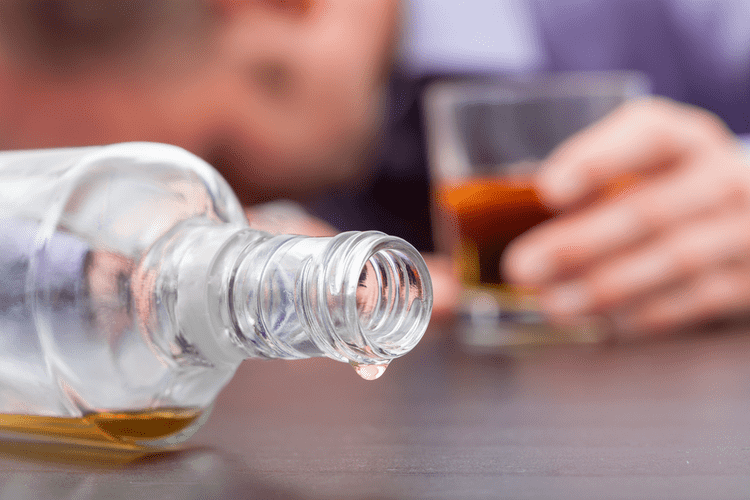
But what if you’ve already crossed that bridge and are in the throes of a full-blown hangover? Some people are also genetically more susceptible to acetaldehyde buildup, especially if they have a how long does it take to get over a hangover less-active variant of the liver enzymes. This genetic variation is responsible for the facial flushing, dizziness, and nausea that comes with consuming even small amounts of alcohol. It might seem counterintuitive at first — we drink liquid, but end up feeling parched the next day. In the case of alcohol, though, this paradoxical effect is very real, and it comes down to how booze interacts with our bodies. Now that we have a general idea of what hangovers are like, let’s explore the science behind them and learn more about the lasting effects of alcohol on our body chemistry.
Do edibles cause worse hangovers?
Hyper-vigilance is also a common residual effect, where the individual constantly monitors their body for signs of anxiety. A minor bodily sensation is often misinterpreted as the beginning of another panic attack, which perpetuates the anxiety cycle. This sustained emotional impact can lead to a reduced quality of life. A panic attack is defined by its swift onset, with symptoms reaching their maximum intensity very quickly. This peak usually occurs within 5 to 10 minutes of the attack beginning, which is why the https://ecosoberhouse.com/ experience can feel overwhelming.
Withdrawal From Alcohol at Avenues Recovery
- Sleep disturbances are also among the first signs of detox, with insomnia or vivid dreams being particularly common.
- The best way to avoid a hangover is not to drink alcohol in the first place, even when it might seem like a good idea at the time.
- Duration depends on drinking habits and pre-existing health conditions.
- Faster metabolizers may experience symptoms sooner as their bodies process alcohol more rapidly, leading to quicker elimination and subsequent withdrawal effects.
Consuming many drinks in a short period increases the likelihood of a hangover after the effects of alcohol wear off. Most hangover symptoms disappear independently after your blood alcohol concentration (BAC) drops significantly. However, it’s not unusual for the symptoms to last up to 24 hours. Unfortunately, there’s no magic drink that instantly “kills” a hangover.
- Understanding alcohol withdrawal is crucial for seeking appropriate medical support and safely managing the detox process.
- There is no particular way to increase the speed at which a person detoxes from alcohol and recovers from a hangover.
- If you feel sick after consuming alcohol, you most likely have a hangover.
Acetaldehyde accumulation is thought to be one reason hangovers feel so awful. It’s also important to eat easily digestible foods, such as toast or bland soup, to soothe a sensitive stomach. If you’re feeling sick or being sick, ginger or peppermint tea can help. Drinking plenty of water, or fluids that are rich in electrolytes such as sports drinks and coconut water, can help to counteract the effects of dehydration. When you’re in the throes of a hangover, you might be wondering how long it will last and the things you can do to make yourself feel better. Here, we explore hangovers in more detail, including how long they last, what symptoms to expect and practical things you can do to ease or avoid them.
