

Whoa! I was poking around Solana wallets last week, and somethin’ felt off. Seriously, the extension landscape is noisy and a little nerve-wracking for newcomers. Initially I thought all wallets were mostly the same, but after testing Phantom, Exodus, and a couple of smaller forks, I noticed big UX decisions that influence security, developer support, and how metadata about your transactions leaks into RPC providers, which matters more than you’d think. My instinct said Phantom deserved a closer look today, so I dug in.
Hmm… The browser extension is where most people start, so UX and permissions are crucial. Phantom focuses on Solana only, which simplifies things compared to multi-chain wallets but also concentrates risk. On one hand that specialization means faster UI, better NFT support, and tighter integration with Serum and other Solana dApps; though actually it also means you’re trusting a smaller codebase and different security tradeoffs than something like MetaMask which spreads across EVM chains. I’ll be honest: that tradeoff bugs me sometimes.
Seriously? Installing the extension is straightforward for Chrome and Brave users, but you should always verify the source. If you want their official build, grab the phantom wallet download extension rather than a random clone—seriously, somethin’ ain’t right with impostors. Because phishing and fake extensions are a real thing—I’ve seen impersonators with a similar icon and slightly different name—checking the URL and permissions before you click “Add to browser” will save a lot of headache and irreversible mistakes. Also, use Ledger if you can; hardware signing prevents many common scams.
Whoa! Permissions matter: Phantom asks for access to the sites you visit and to read wallet state, which feels invasive if you’re new. But those permissions are what let it auto-detect dApp connection requests and inject Solana provider APIs into web pages. Initially I thought blocking all permissions was safest, but then realized that breaking connection flow forces you to expose private keys more often, and that tradeoff can be worse because it leads to shaky user behaviors like copy-pasting seeds into random sites. So minimize exposure: limit sites and revoke when not in use.
Here’s the thing. Never store your seed phrase in plaintext on a cloud drive or notes app—even encrypted backups have risks. Phantom supports a password and integrates with hardware wallets; use both when possible. On balance, using a hardware wallet for any sizable holdings plus a passphrase-second-factor (a subtle feature some people miss) offers a layer of defense against browser-level malware, though it’s not a silver bullet if your machine is already compromised. If you care about privacy, switch RPC endpoints to a trusted node occasionally to avoid metric aggregation.
Wow! Phantom’s NFT gallery is clean and it’s great for collectors. The built-in swap uses aggregated liquidity but costs can vary depending on routes and slippage settings. I ran some trades and found that choosing direct Serum markets sometimes saves money compared to the default aggregator, which surprised me because aggregation usually helps, but here the overhead and tiny route inefficiencies matter on Solana’s low-fee model. Also check Devnet before trusting new programs—testing matters.
Hmm… Developer tools in Phantom let you inspect transactions before approval, which I appreciate. The “View on Explorer” and detailed instruction breakdown helps catch weird program calls. Initially I thought a casual user would ignore these details, but after walking friends through a suspicious token approval, I realized visibility combined with a small nudge from the UI prevents many mistakes—education matters. Ergonomics counts; the less friction for safe choices, the more people actually adopt them.
Okay, so check this out—use a separate “hot” wallet for small trades and an offline wallet for long-term holdings. Layered accounts reduce blast radius when a site asks for token approvals. On one hand managing multiple accounts adds cognitive load, though actually the practice is manageable with naming conventions and by keeping only minimal funds in browser-stored accounts; it dramatically reduces risk when a malicious dApp tries to drain balances. It’s a simple organizational trick that pays off.
I’m biased, but seeing my NFT shelf organized in Phantom gave a strange sense of control—call it collector joy. Check this out—
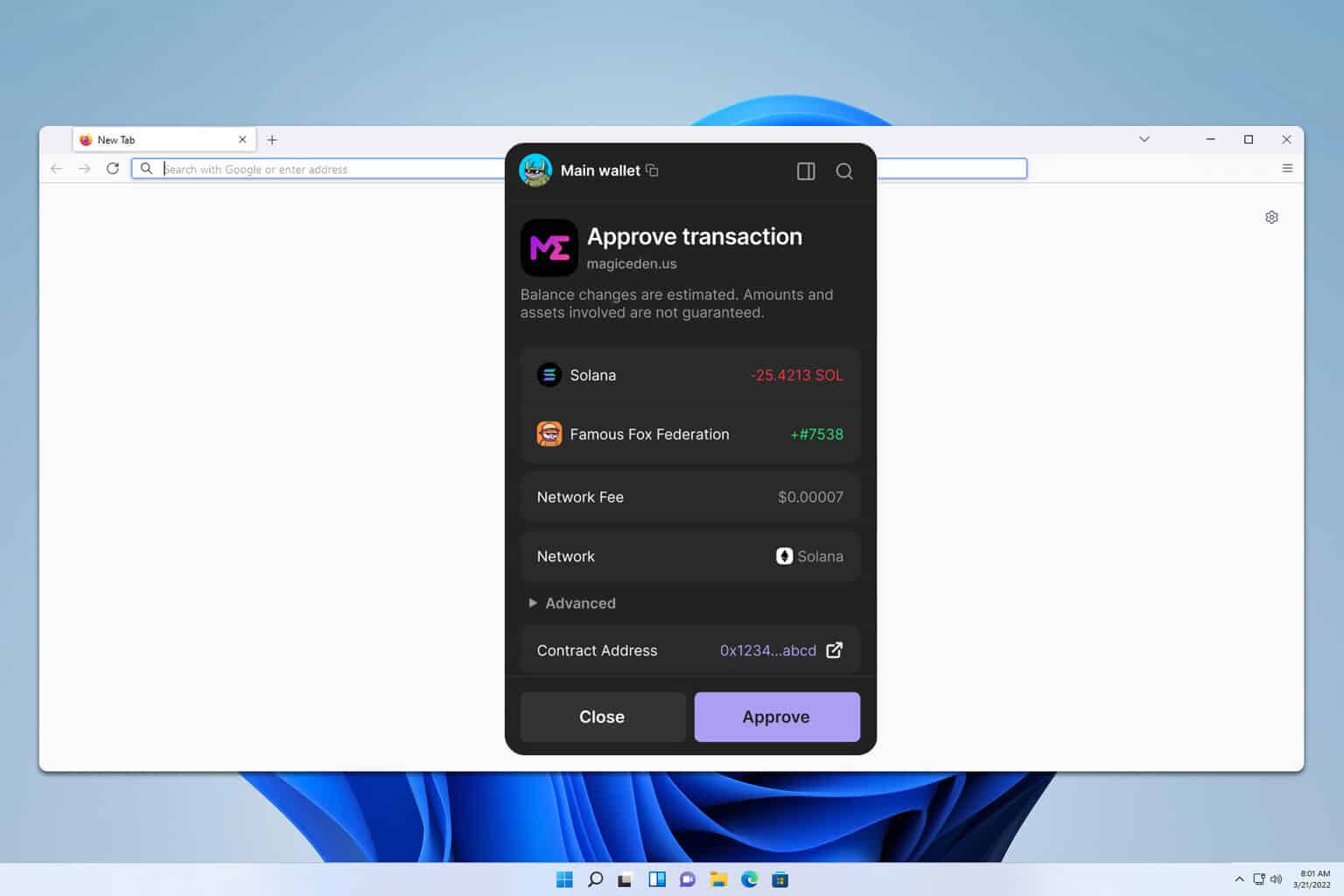
There’s a moment when a UI is not just functional but supportive; you want confirmations, clear warnings on contract calls, and an easy way to disconnect sites without hunting through complex menus, and Phantom hits many of those marks while leaving room for improvement. That mix of polish and small missing features kept me engaged.
Practical tips, quirks, and a few mistakes I made
Wow! If transactions fail, first check network status and RPC endpoints. Sometimes high mem-usage on your machine or a congested node causes timeouts. I once assumed a failed swap was the dApp’s fault, but after switching to a different RPC provider and toggling the extension off and on, the issue resolved, suggesting local connectivity problems rather than a bad program. So don’t panic; troubleshoot stepwise.
Really? Ledger integration is solid for large balances, though plugin quirks exist. You may need the Solana app on Ledger and to enable contract data, depending on versions. Actually, wait—let me rephrase that: Ledger protects keys but requires that you still verify all transaction details on the device, because the device will sign exactly what it’s asked to, and social-engineered approvals remain a risk if a user blindly accepts prompts. So train yourself to read the tiny bits on the Ledger screen.
Phew! After weeks of testing, Phantom feels mature and focused. It’s not perfect—the permission model and RPC defaults could be tighter—but it’s friendly for newcomers and powerful enough for pros. On balance I recommend it as a first extension for Solana users who pair it with hardware and disciplined practices; however, keep learning and don’t treat any wallet as a total safehouse because threat models evolve and browsers are messy environments. If you want the official extension, remember the link I mentioned earlier and verify everything before you add it. I’m not 100% sure about future features, but I like the direction here—very very promising.
FAQ
Is Phantom safe for NFTs?
Yes for the most part. Phantom gives a clear view of NFT metadata and transfer approvals, but always verify contract calls and keep only what you need in a hot wallet.
Can I use Phantom with Ledger?
Absolutely. Connect via WebUSB or the supported integration, install the Solana app on Ledger, and verify transactions on-device. It adds a meaningful layer of security.
What if my transaction is pending forever?
First check mempool and RPC status, then try switching RPC endpoints or canceling and resubmitting with adjusted fees. If unsure, wait and research—rushing can make things worse.
